Transform Your Designs with 3D Rendering

Design projects in architecture, engineering, and construction demand precision, clarity, and effective communication. Traditional 2D drawings often fall short in conveying the full scope and detail of a design. This is where 3D rendering transforms the process, offering vivid, realistic visualizations that bring concepts to life.
In this post, I will explore how 3D rendering enhances design workflows, improves collaboration, and reduces costly errors. I will also discuss how specific services like URCADServices’ CAD drafting, BIM, and visualization solutions support these benefits, helping firms cut costs and boost productivity.
How 3D Rendering Enhances Design Clarity and Communication
3D rendering converts technical drawings into detailed, lifelike images. This visual clarity helps all stakeholders understand the design intent without needing specialized knowledge of blueprints or CAD files.
For example, a mechanical engineering firm can use 3D renderings to show how components fit together in a complex assembly. This reduces misunderstandings between engineers, fabricators, and clients. Similarly, general contractors can visualize construction sequences and site layouts, improving planning and coordination.
The ability to rotate, zoom, and view designs from multiple angles allows teams to spot potential issues early. This proactive approach prevents costly rework during construction or fabrication.

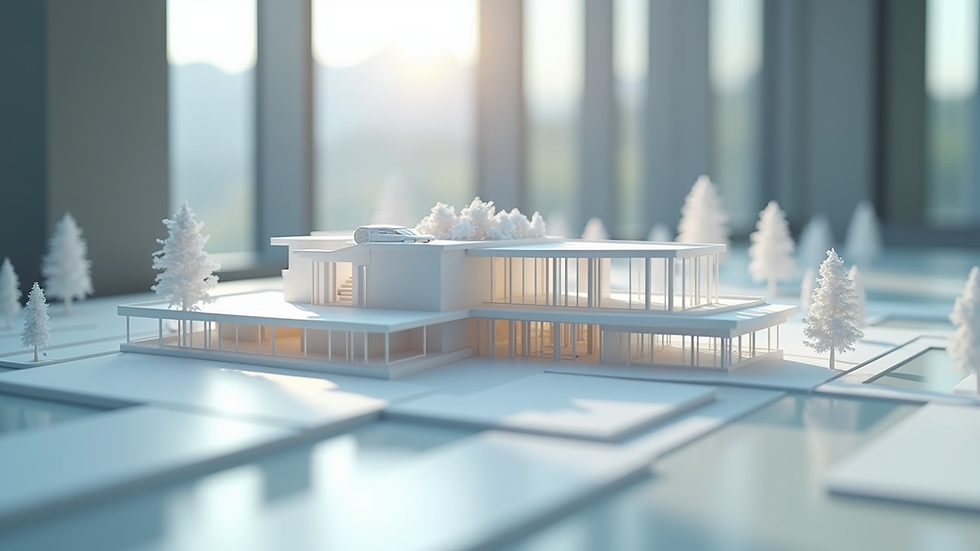
3D rendering provides a clear, realistic view of architectural designs, improving understanding and decision-making.
Improving Collaboration Across Project Teams
Projects in the AEC and mechanical engineering sectors involve many professionals working together. 3D rendering acts as a common visual language that bridges gaps between disciplines.
When architects, engineers, fabricators, and contractors share 3D models, they can discuss design elements more effectively. This shared understanding reduces errors caused by misinterpretation of 2D plans. It also speeds up approvals and client feedback cycles.
URCADServices offers comprehensive CAD drafting, BIM, and visualization support that integrates 3D rendering into project workflows. Their services help teams maintain consistent, up-to-date models accessible to all parties. This integration supports smoother collaboration and faster project delivery.
Reducing Costs and Increasing Productivity with 3D Rendering
One of the most significant advantages of 3D rendering is its impact on project costs and timelines. By visualizing designs early, teams can identify clashes, design flaws, or material inefficiencies before construction begins. This foresight reduces expensive changes on-site.
URCADServices helps firms cut project costs by up to 60% by handling detailed CAD drafting and BIM modeling. Their expertise in creating accurate 3D visualizations allows clients to focus on core business activities while ensuring high-quality design outputs.
Using 3D renderings for client presentations also improves marketing and sales efforts. Clients can see exactly what they will get, increasing confidence and reducing negotiation time.
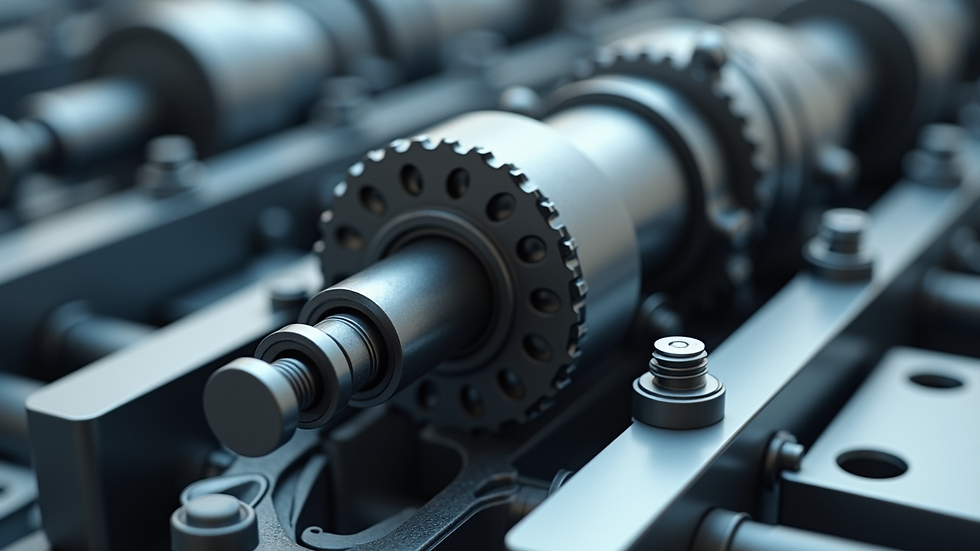
3D renderings reveal intricate details of mechanical assemblies, helping identify design issues early.
Choosing the Right 3D Rendering Services
Selecting a partner for 3D rendering and related services requires considering expertise, technology, and integration capabilities. URCADServices stands out by offering a full range of CAD drafting, BIM, and visualization solutions tailored to AEC and mechanical engineering needs.
Their approach ensures that 3D models are not just visually appealing but also technically accurate and compatible with project requirements. This precision supports better decision-making and smoother project execution.
For firms looking to enhance their design process, exploring 3d architectural rendering services can be a valuable step. These services provide realistic visualizations that improve communication and reduce risks.
Future Trends in 3D Rendering for Design
The technology behind 3D rendering continues to evolve rapidly. Advances in real-time rendering, virtual reality (VR), and augmented reality (AR) are opening new possibilities for immersive design experiences.
In the near future, project teams will be able to walk through virtual models, interact with components, and simulate construction processes before breaking ground. These innovations will further reduce errors and improve client engagement.
Staying updated with these trends and partnering with experienced providers like URCADServices ensures firms remain competitive and efficient.

Virtual reality combined with 3D rendering offers immersive design experiences for better project understanding.
Transforming designs with 3D rendering is no longer optional but essential for modern AEC and mechanical engineering projects. It improves clarity, collaboration, and cost control while enabling innovative workflows. By integrating expert services such as those from URCADServices, firms can unlock these benefits and focus on delivering successful projects.
Exploring and adopting advanced 3D rendering solutions will help teams stay ahead, reduce risks, and communicate designs with confidence. The next step is to evaluate your current design process and consider how 3D rendering can enhance your project outcomes.