


Transform Your Designs with 3D Design Visualizations

In the evolving landscape of architecture, engineering, and construction, the ability to visualize projects before they materialize has become indispensable. The integration of 3D design visualizations into the workflow has revolutionized how professionals approach design, planning, and communication. This technology not only enhances the clarity of complex designs but also significantly reduces errors and costs associated with traditional methods. By leveraging advanced 3D rendering techniques, firms can present their ideas with unprecedented precision and detail, facilitating better decision-making and collaboration throughout the project lifecycle.
The Role of 3D Design Visualizations in Modern Projects
3D design visualizations serve as a bridge between conceptual ideas and tangible outcomes. They provide a comprehensive, three-dimensional representation of architectural and mechanical designs, allowing stakeholders to explore every aspect of a project from multiple perspectives. This capability is particularly valuable in identifying potential design flaws early, optimizing spatial arrangements, and ensuring compliance with regulatory standards.
For example, a general contractor can use 3D visualizations to simulate construction sequences, thereby anticipating logistical challenges and improving site management. Similarly, fabricators benefit from detailed renderings that clarify component specifications, reducing fabrication errors and material waste. The ability to manipulate and examine designs interactively fosters a deeper understanding among all parties involved, ultimately leading to more efficient project execution.
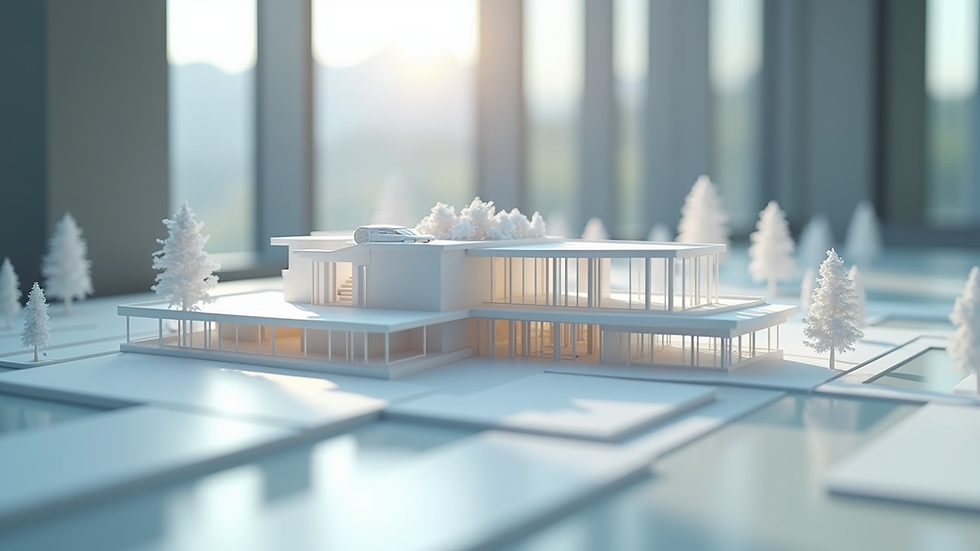
Enhancing Communication and Collaboration with 3D Design Visualizations
Effective communication is critical in complex projects involving multiple disciplines and stakeholders. Traditional 2D drawings often fall short in conveying the full scope and intricacies of a design, leading to misunderstandings and costly revisions. In contrast, 3D design visualizations offer a clear and intuitive medium that transcends technical jargon and facilitates meaningful dialogue.
By presenting designs in a visually engaging format, these visualizations enable clients, engineers, and contractors to align their expectations and provide informed feedback. This collaborative environment encourages iterative improvements and fosters innovation. Moreover, 3D models can be integrated with Building Information Modeling (BIM) systems, enhancing data sharing and coordination across different teams.
In practice, this means that a mechanical engineering firm can share detailed renderings with fabricators to ensure that all components fit precisely as intended, while builders can visualize the final structure in its environment, assessing factors such as lighting, materials, and landscaping.
Cost Efficiency and Risk Mitigation through 3D Renderings
One of the most compelling advantages of 3D design visualizations lies in their ability to reduce project costs and mitigate risks. By providing a realistic preview of the final product, these renderings help identify design inconsistencies and potential construction issues before they escalate into expensive problems.
For instance, detecting clashes between mechanical systems and structural elements in a 3D model allows for timely adjustments, avoiding costly rework on-site. Additionally, accurate visualizations support precise quantity takeoffs and material estimations, which contribute to better budgeting and resource allocation.
Engaging with professional 3d architectural rendering services can further enhance these benefits. Such services bring specialized expertise and advanced technology to produce high-quality renderings that meet industry standards and client expectations. This partnership enables firms to focus on their core competencies while ensuring that their design presentations are both compelling and technically sound.

Practical Applications of 3D Design Visualizations in AEC and Mechanical Engineering
The versatility of 3D design visualizations extends across various stages and facets of project development. In architectural design, these visualizations facilitate the exploration of aesthetic elements, spatial relationships, and material finishes. Architects can experiment with different design options and present them to clients in an immersive format that enhances understanding and approval processes.
In mechanical engineering, 3D renderings are instrumental in detailing complex machinery and systems. They allow engineers to simulate operational scenarios, assess performance, and optimize designs for manufacturability and maintenance. This level of detail supports precision fabrication and assembly, reducing downtime and improving overall system reliability.
General contractors and builders utilize 3D visualizations to plan construction logistics, coordinate subcontractors, and monitor progress. The ability to visualize the project in its entirety aids in scheduling, safety planning, and quality control. Furthermore, these visualizations can be used for marketing and stakeholder engagement, showcasing the project’s potential and securing buy-in.
Future Trends and Innovations in 3D Design Visualizations
As technology advances, the capabilities of 3D design visualizations continue to expand, offering new opportunities for innovation and efficiency. Emerging trends include the integration of virtual reality (VR) and augmented reality (AR), which provide immersive experiences that allow users to interact with designs in real time. This interactivity enhances spatial awareness and decision-making, particularly in complex or large-scale projects.
Artificial intelligence (AI) and machine learning are also beginning to influence 3D rendering processes, automating routine tasks and optimizing design parameters based on data analysis. These developments promise to accelerate project timelines and improve accuracy.
Additionally, cloud-based platforms are facilitating greater collaboration by enabling real-time access to 3D models from any location. This connectivity supports global teams and remote stakeholders, aligning with the increasingly distributed nature of the AEC and mechanical engineering industries.
Maximizing the Impact of 3D Design Visualizations in Your Workflow
To fully leverage the benefits of 3D design visualizations, it is essential to integrate them strategically into project workflows. This involves selecting appropriate software tools, investing in skilled personnel or partnering with specialized service providers, and establishing clear protocols for model creation, review, and revision.
Regular training and knowledge sharing can enhance team proficiency and ensure that visualizations are used effectively to support project goals. Additionally, maintaining open communication channels among all stakeholders helps to maximize the value of these visual tools.
By adopting a systematic approach to 3D design visualizations, firms can achieve significant improvements in project quality, efficiency, and client satisfaction. This approach aligns with the broader objective of reducing costs by up to 60% and boosting productivity, enabling organizations to focus on their core business activities while delivering superior results.
The integration of 3D design visualizations into architectural, engineering, and construction projects represents a transformative shift in how designs are conceived, communicated, and executed. By embracing this technology, firms can enhance collaboration, reduce risks, and optimize resources, ultimately driving better project outcomes. As the industry continues to evolve, staying at the forefront of 3D rendering innovations will be crucial for maintaining competitiveness and delivering value in an increasingly complex and demanding market.


